Seba Calfuqueo’s CAUTÍN opened October 6 at Madrid’s Museo Nacional Thyssen-Bornemisza, bringing a Mapuche account of water and territory to a major European museum. The exhibition, which the museum identifies as the artist’s first solo show in Europe, runs through January 17, 2027.
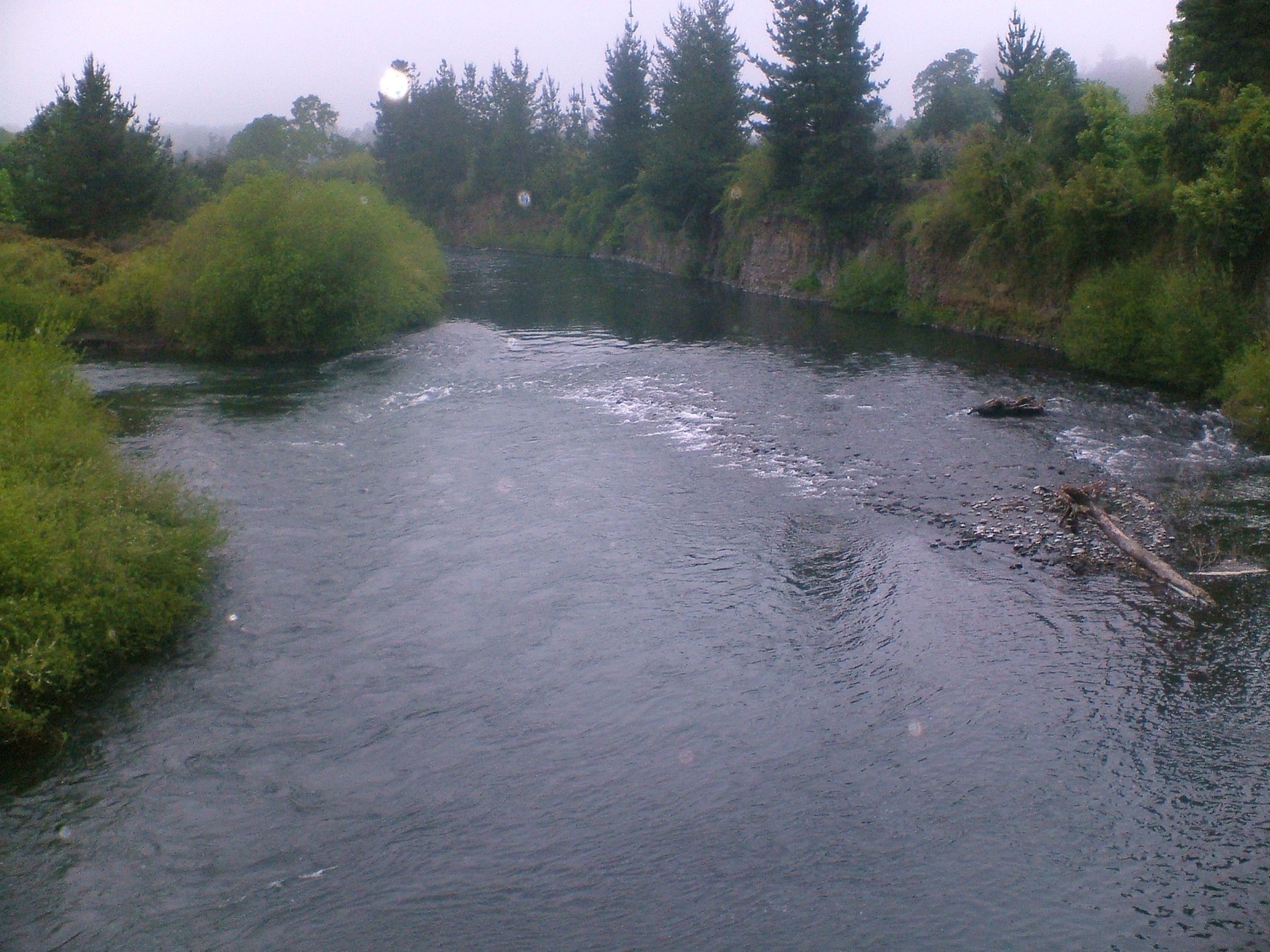
Its subject is the Cautín River in Chile’s Araucanía region, within Wallmapu, the ancestral territory of the Mapuche people. The organizers approach the river through the relationships among its inhabitants, including plants, animals, people and spiritual presences, and through histories of colonial intervention.
Calfuqueo, a Mapuche trans artist born in Santiago in 1991, works across ceramics, embroidered paintings, animation and video performance. Curated by Marina Avia Estrada, the show is organized by the museum and TBA21 Thyssen-Bornemisza Art Contemporary, which commissioned every work. It was produced in collaboration with Santiago’s Centro Cultural La Moneda.
According to the organizers, the works draw on historical records, Mapuche origin narratives and research along the river. Synthetic materials enter the ceramics; the artist’s body enters the moving-image work. These choices make room for an Indigenous present shaped by change, contradiction and artistic experimentation.
That matters for the question of who gets to describe a territory. Calfuqueo is making images from a relationship to Mapuche identity and knowledge, while also choosing contemporary tools to do so. The exhibition’s premise challenges the expectation that Indigenous art must look unchanged by the world around it.
The water question is political, too. The curatorial text connects the project to evangelization, dispossession and water privatization. Within that framing, separating a river into scenery, property or resource can obscure the relationships that make it a place people inhabit and understand.
CAUTÍN puts those relationships at the center of an exhibition authored by a living Mapuche artist. For audiences encountering this territory through a museum, it offers a reason to ask whose knowledge supplies the frame, and what that frame allows them to see.