Visiones de Ultramar opened October 6 at the Museo de Bellas Artes de Bilbao, assembling more than 150 works from the Colección Patricia Phelps de Cisneros. Running through January 21, 2027, the exhibition examines the images travelers made of Latin America.
Curated by Estrella de Diego, the show brings together paintings, drawings, prints, maps, books and photographs dating from the 17th through the 20th centuries. Its subjects include landscapes and ways of life encountered by artists and travelers from Europe and the Americas.
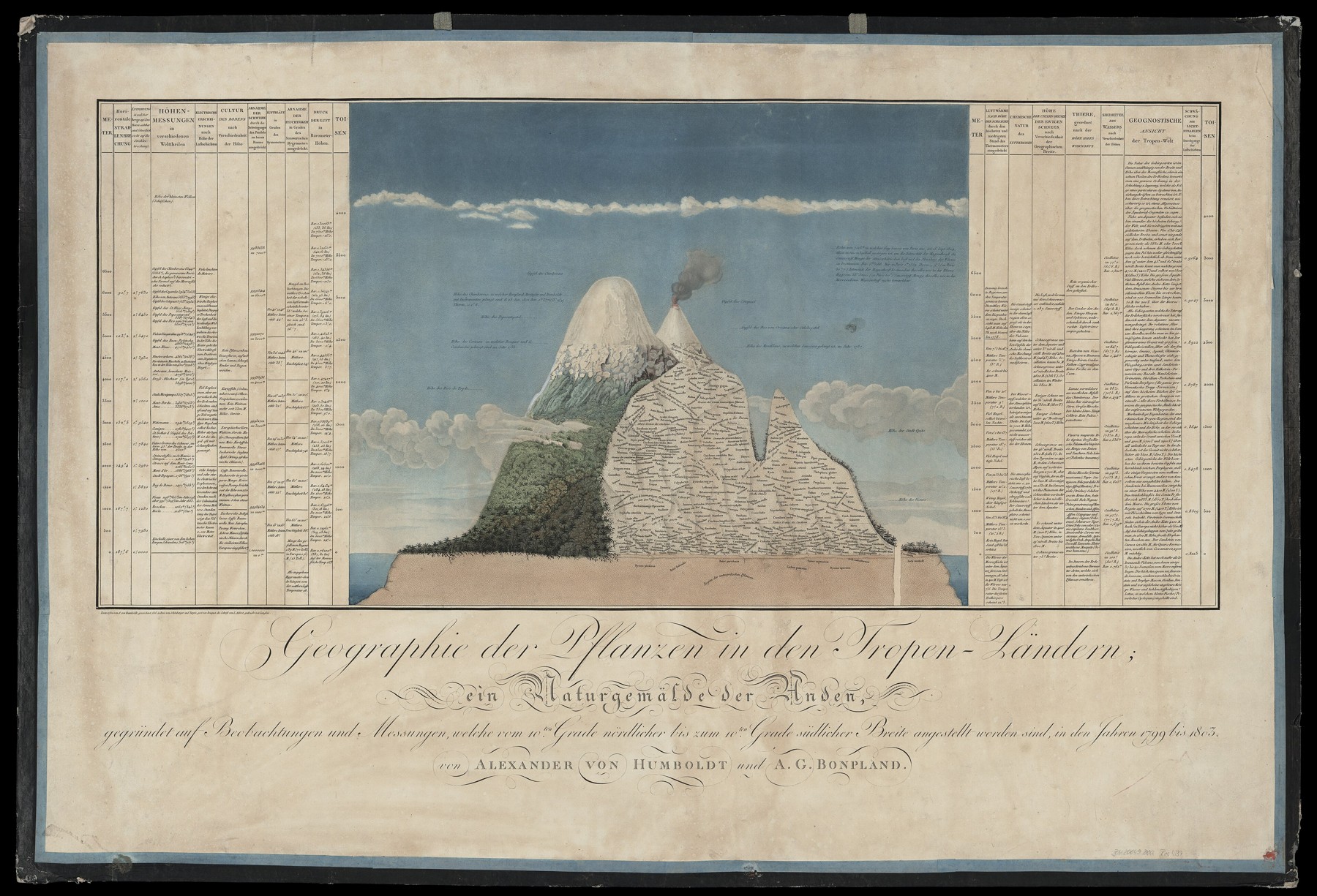
Frans Post and Alexander von Humboldt are among the figures identified in Fundación BBVA’s exhibition announcement. Two Humboldt publications contain examples of his Naturgemälde, or pictures of nature, offering a point of contact between artistic representation and the organization of scientific knowledge.
A related archive helps explain why these images deserve critical attention. In diary excerpts published online by the Cisneros collection, French artist Auguste Morisot describes his 1886–1887 Orinoco travels. His accounts combine close observation with judgments that rank Indigenous people by their proximity to European ideas of civilization. Curiosity and prejudice can occupy the same page.
Reading a landscape through that tension raises questions beyond whether it is beautiful or accurate. Who selected the view? Who supplied the local knowledge? Do the people represented have names, voices and histories, or appear mainly as features of someone else’s journey? These are questions for viewing the material, rather than a verdict that every traveler saw alike.
The exhibition includes a contemporary epilogue by Basque artist Asier Mendizabal, El orbe según la colección J.L. Fundación BBVA connects it to the Inca collection the poet Juan Larrea assembled in Peru in 1930 and later donated to the Spanish Republic. That addition extends the inquiry from making images to collecting and displaying objects.
The same opening date also brings Seba Calfuqueo’s CAUTÍN to Madrid, with a living Mapuche artist interpreting water and territory. The projects concern different places and histories, but their juxtaposition sharpens an essential question: when Latin America enters a European museum, who has the authority to describe it?